
Cavity Treatment
Cavities, also called tooth decay or dental caries, are a common dental problem affecting people of all ages. At Aspire Family Dentistry we see how tooth decay can impact your oral health and overall well-being if left untreated. Cavities form when harmful bacteria in your mouth produce acids that erode your tooth enamel, eventually causing holes in your teeth. Our goal is to help you understand, prevent, and treat cavities to keep your smile healthy and bright.
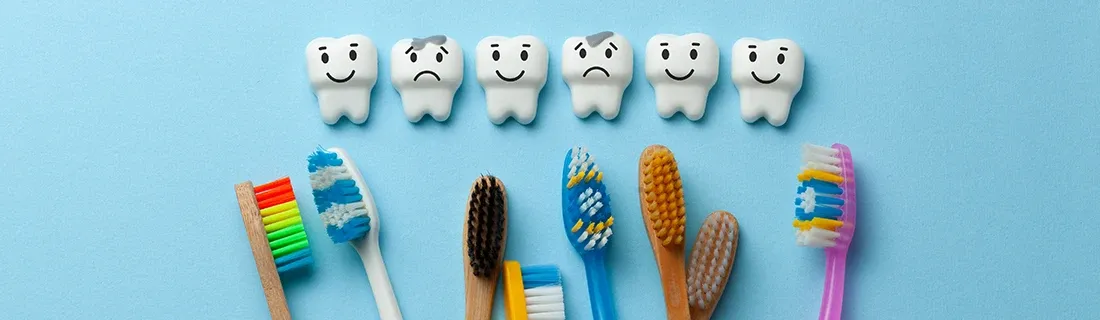
Every time you eat or drink, sugars and carbohydrates feed bacteria in your mouth. These bacteria produce acid that wears away your enamel-the hard, protective outer layer of your teeth. When this acid isn't cleared away quickly enough, it begins to break down the enamel, eventually leading to cavities. Saliva helps neutralize these acids, but if the damage outpaces repair, cavities start forming.
How can you tell if you might have a cavity? Here are a few common signs that your teeth need some attention: - Tooth Sensitivity – Experiencing sharp pain when eating or drinking something hot, cold, or sweet? - Visible Holes or Dark Spots – Look out for any small pits or discolorations on your teeth. - Toothache – Persistent pain, especially while chewing, can signal that decay is moving deeper into your tooth. - Bad Breath – Decaying teeth often lead to bad breath or an unpleasant taste in your mouth. If left untreated, cavities can progress into infections that affect the nerve in the center of the tooth, leading to more serious health concerns.
While cavities can affect anyone, certain factors can increase your likelihood of developing tooth decay. Knowing your risks can help you stay proactive about your oral health. - Diet High in Sugars and Acids – Frequently consuming sugary or acidic foods and drinks (sodas, juices, candies) can accelerate the process of tooth decay. - Dry Mouth – Reduced saliva flow, due to medications or medical conditions, impairs your body's ability to neutralize acids. - Poor Oral Hygiene – Not brushing or flossing consistently allows plaque to build up, which can lead to decay. - Medical Conditions – Conditions like diabetes can also increase your susceptibility to cavities.
Children We commonly see cavities in young children. Nearly half of kids aged 6-9 experience cavities, often because of sugary snacks and less-developed brushing habits. Cavities in children can impact more than just their teeth-they can also affect their overall health, development, and even academic performance due to pain or discomfort. Adults Cavities continue to be an issue as we age. One in five adults aged 20-64 has an untreated cavity. Often, factors like smoking, low access to dental care, and dietary habits influence cavity prevalence in adults. Regular dental check-ups can help prevent these cavities from worsening. Older Adults Almost all adults over the age of 65 have had cavities. As gums recede, seniors can develop cavities near the tooth root, which is often more challenging to treat. By maintaining regular dental visits, seniors can protect their oral health and prevent the need for extensive treatments like root canals or tooth extractions.
Prevention is always better than treatment when it comes to cavities! Here are a few dentist-recommended strategies to keep tooth decay at bay: - Brush and Floss Daily – Brushing twice daily and flossing can help remove plaque and bacteria. - Use Fluoride Products – Fluoride toothpaste or treatments can help strengthen enamel and make it more resistant to decay. - Choose Healthy Foods – A balanced diet with minimal sugars and acids can protect your enamel and overall oral health. - Regular Dental Check-ups – Schedule cleanings and exams every six months to catch any early signs of decay.
Cavities don't go away on their own, but our team offers a variety of treatments to address tooth decay effectively: - Fluoride Treatments – For very early stages of tooth decay, fluoride treatments can help restore enamel. - Fillings – Once a cavity has formed, a filling is needed to restore the tooth. We use high-quality materials to ensure the filling matches the look and feel of your natural tooth. - Root Canal Therapy – If decay reaches the tooth's pulp, a root canal might be necessary to save the tooth and prevent further infection. - Tooth Extraction – In cases of severe decay where the tooth cannot be saved a tooth extraction might be required. We'll discuss tooth replacement options, like bridges or implants, to help restore your smile.
Frequently Asked Questions
Common questions about cavity treatment. Can’t find what you’re looking for? Give us a call.
Yes, cavities are preventable with regular dental hygiene, a healthy diet, and routine dental check-ups. Using fluoride products also strengthens teeth and helps resist decay.
If you notice sensitivity or pain, schedule a dental appointment. Early treatment can prevent cavities from worsening.
No, cavities don't heal by themselves. Treatments like fillings are necessary to stop further decay and restore the tooth.
We recommend seeing the dentist every six months for cleanings and exams to catch any issues early and maintain good oral health.
Yes, fluoride is safe and effective for children, helping to reduce cavities. Discuss fluoride treatments or fluoridated water with your dentist to determine the right choice for your child.
Regular exams and specialized care help prevent and treat cavities in older adults, particularly those near the tooth root. Our team offers comprehensive care tailored to senior patients.
Even though baby teeth eventually fall out, decay can spread and affect adult teeth beneath them. Treating cavities in baby teeth is essential for overall dental health.
A cavity can grow silently without causing pain initially. Regular dental exams can catch these early, less painful stages, allowing for simpler treatments.
Keeping natural teeth is beneficial for chewing, speaking, and overall dental health. Tooth replacements like dentures are helpful, but maintaining your own teeth whenever possible is best.
Ready to Get Started?
Schedule a consultation to learn more about cavity treatment. Our team will create a personalized treatment plan tailored to your needs.